Chinese Herbalism · Chinese Herbs & Formula Study
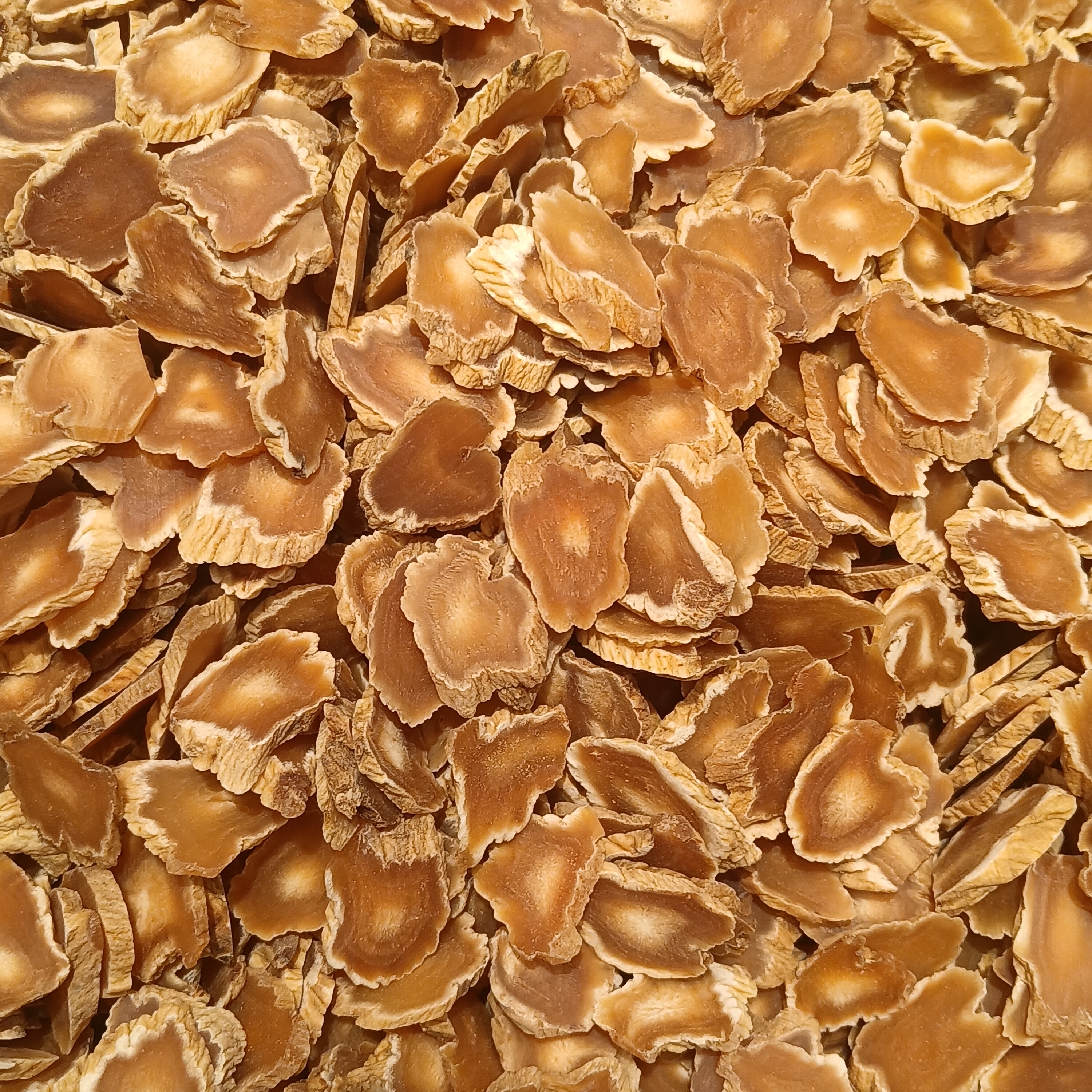
Chinese Herbalism & Formulas: A Comprehensive Beginner Course
100 lessons: 66 herbs, traditional foundations, 15 classic formulas and applied study
- Level
- Beginner
- Estimated study
- About 25.7 hours
- Lessons
- 100 lessons in 14 modules
- Format
- Online, self-paced
Monthly: $0 today with a card, then $34 on day 8 unless you cancel before then. After the trial, 30 days' notice applies. Active on-campus students have academy access included. Check your existing student account before buying another subscription.
About this course
Build a detailed beginner reference to Chinese herbalism through 100 ordered lessons and 300 knowledge-check questions. Study herb names, source species and medicinal parts, traditional properties and pattern logic, processing distinctions, formula roles, clinical evidence, interactions, quality and sustainability. Each herb profile includes an attributed photograph with its identification limits. Begin with the safety and evidence foundations, then compare herb families and 15 classic formulas. Activities use photographs, labels and written cases. This is educational reference study and does not confer a clinical qualification or teach self-prescribing, toxic-herb processing or dosing.
Course outline
Module 1: Foundations: Language, Patterns, Evidence & Safety
12 lessons · 3 hLearn names, source identity, traditional pattern language, processing, evidence appraisal and safety before approaching individual herbs.
- Chinese herbalism: history, scope, and safe study
- Yin, yang, and the five phases
- Qi, blood, body fluids, essence, and shen
- Zang-fu: traditional functional systems
- Eight principles: learning pattern language
- Four qi, five flavors, directions, and channels
- Names, botanical identity, medicinal parts, and substitutes
- Processing: raw and prepared materials
- Herb categories and comparative study
- Formula structure, roles, and preparation forms
- Evidence literacy: from tradition to clinical research
- Safety, interactions, and knowing when to seek care
Module 2: High-Risk Herbs: Recognition & Safety Literacy
4 lessons · 1 h 12 minRecognize ephedra, Asarum, aconite and Mu Tong naming risks. Learn why species verification and professional control matter and why home processing is unsafe.
- Ma Huang: ephedra hazard recognition
- Xi Xin: Asarum and aristolochic-acid hazard literacy
- Fu Zi: aconite hazard recognition
- Mu Tong: Akebia, Clematis and Aristolochia name safety
Module 3: Qi Tonics & Supporting Herbs
7 lessons · 1 h 45 minCompare ginseng, codonopsis, astragalus, atractylodes, yam, licorice and jujube through their traditional roles and modern safety limits.
- Ren Shen: Asian ginseng
- Dang Shen: Codonopsis root
- Huang Qi: Astragalus root
- Bai Zhu: Atractylodes rhizome
- Shan Yao: Chinese yam rhizome
- Gan Cao: Licorice root and rhizome
- Da Zao: Jujube fruit
Module 4: Blood, Yin & Nourishing Herbs
12 lessons · 3 hStudy nourishing roots, fruits, tubers and stems, including the differences between raw and prepared Rehmannia and the liver-injury concern with He Shou Wu.
- Dang Gui: Chinese angelica root
- Bai Shao: White peony root
- Shu Di Huang: Prepared Rehmannia
- Sheng Di Huang: Unprepared Rehmannia
- Gou Qi Zi: Goji fruit
- Long Yan Rou: Longan aril
- He Shou Wu: Raw and prepared Polygonum root
- Mai Men Dong: Ophiopogon tuberous root
- Tian Men Dong: Asparagus tuberous root
- Bei Sha Shen: Glehnia root
- Yu Zhu: Solomon's seal rhizome
- Shi Hu: Dendrobium stem
Module 5: Astringent & Spirit-Calming Herbs
2 lessons · 30 minCompare Schisandra fruit and sour jujube seed, paying attention to traditional retention and calming language, evidence and medicine interactions.
- Wu Wei Zi: Schisandra fruit
- Suan Zao Ren: Sour jujube seed
Module 6: Warming Herbs: Ginger & Cinnamon Comparisons
4 lessons · 1 hSeparate fresh from dried ginger and cinnamon twig from bark. Compare plant parts, processing, traditional roles and coumarin concerns.
- Sheng Jiang: fresh ginger
- Gan Jiang: dried ginger
- Gui Zhi: cassia cinnamon twig
- Rou Gui: cassia cinnamon bark
Module 7: Exterior-Releasing Herbs
8 lessons · 2 hRead the traditional exterior framework through mint, perilla, Schizonepeta, Saposhnikovia, kudzu, bupleurum, chrysanthemum and mulberry leaf.
- Bo He: Chinese mint
- Zi Su Ye: perilla leaf
- Jing Jie: schizonepeta herb
- Fang Feng: saposhnikovia root
- Ge Gen: kudzu root
- Chai Hu: bupleurum root
- Ju Hua: chrysanthemum flower
- Sang Ye: mulberry leaf
Module 8: Heat-Clearing Herbs
9 lessons · 2 h 15 minCompare roots, bark, flowers, fruits and whole herbs in the heat-clearing family without equating traditional heat with a biomedical diagnosis.
- Zhi Mu: Anemarrhena rhizome
- Huang Qin: Chinese skullcap root
- Huang Lian: Coptis rhizome
- Huang Bai: Phellodendron bark
- Zhi Zi: gardenia fruit
- Jin Yin Hua: Japanese honeysuckle bud
- Lian Qiao: forsythia fruit
- Ban Lan Gen: isatis root
- Xia Ku Cao: prunella fruiting spike
Module 9: Qi Regulation & Digestive Study
8 lessons · 2 hStudy citrus parts, aromatic herbs and digestive materials through identity, processing, formula relationships and appropriate evidence limits.
- Chen Pi: aged tangerine peel
- Qing Pi: immature tangerine peel
- Zhi Shi: immature bitter orange
- Hou Po: magnolia bark
- Sha Ren: amomum fruit
- Mu Xiang: costus root and substitution safety
- Shan Zha: Chinese hawthorn fruit
- Mai Ya: germinated barley
Module 10: Dampness, Phlegm & Cough Herbs
8 lessons · 2 h 6 minExplore Poria, water-regulating materials and cough/phlegm herbs, including explicit hazards associated with Pinellia and bitter apricot kernels.
- Fu Ling: poria
- Ze Xie: oriental waterplantain rhizome
- Yi Yi Ren: coix seed
- Che Qian Zi: plantain seed
- Ban Xia: Pinellia recognition and processing literacy
- Jie Geng: balloonflower root
- Chuan Bei Mu: fritillary bulbs
- Xing Ren: apricot kernel recognition and cyanide safety
Module 11: Blood-Moving & Draining Herbs
4 lessons · 1 hCompare Salvia, Ligusticum, safflower and rhubarb. Study traditional movement language, bleeding interactions and stimulant-laxative cautions.
- Dan Shen: red sage root
- Chuan Xiong: Sichuan lovage rhizome
- Hong Hua: safflower flowers
- Da Huang: medicinal rhubarb root and rhizome
Module 12: How to Read a Formula
2 lessons · 30 minRead formula architecture, ingredient relationships, preparation labels and historical variants as educational reference work.
- Formula architecture: a method for reading ingredient relationships
- Sources, variants, translation, and product equivalence
Module 13: Fifteen Classic Formula Case Studies
15 lessons · 3 h 45 minStudy fifteen classic formula designs, their ingredient relationships, traditional pattern descriptions, evidence limits and referral concerns.
- Gui Zhi Tang: balancing the exterior
- Yin Qiao San: reading an acrid-cool design
- Si Jun Zi Tang: the four-herb qi-tonic framework
- Si Wu Tang: nourishing and moving in one design
- Ba Zhen Tang: combining qi and blood frameworks
- Liu Wei Di Huang Wan: supporting without simple accumulation
- Yu Ping Feng San: wei qi without immune-system shortcuts
- Xiao Yao San: harmonizing several traditional relationships
- Er Chen Tang: phlegm, dampness, and product identity
- Ban Xia Hou Po Tang: throat sensations and careful referral
- Bao He Wan: studying food accumulation without shortcut diagnosis
- Ping Wei San: dampness and qi in the middle region
- Suan Zao Ren Tang: studying sleep without reducing a formula to sedation
- Bu Zhong Yi Qi Tang: the traditional idea of raising clear yang
- Gui Pi Tang: Heart-Spleen relationships and safe symptom interpretation
Module 14: Applied Comparison, Quality & Evidence Study
5 lessons · 1 h 40 minBuild comparison tables, evaluate labels and quality evidence, investigate sourcing and conservation, appraise a study and complete an integrated written case.
- Comparing formula families without prescribing shortcuts
- Labels, quality documents, and certificate limits
- Sourcing, sustainability, and CITES
- Appraising evidence: single herbs, compounds, and formulas
- Capstone: identity, evidence, medicines, and referral