Skip to content

Homesteading & Survival · Homesteading & Survival Courses
Southern Appalachian Plants and Herbal Traditions: Identification and Safety

Learn 90 mountain plants: how to recognize them, what people used them for, what the evidence shows, and which ones to leave alone. About 17 hours.

Level
Beginner
Estimated study
About 17.2 hours
Lessons
31 lessons in 8 modules
Format
Online, self-paced

Monthly: $0 today with a card, then $34 on day 8 unless you cancel before then. After the trial, 30 days' notice applies. Active on-campus students have academy access included. Check your existing student account before buying another subscription.

About this course

For hikers, gardeners and beginners curious about mountain herbal traditions. By the end you will be able to build a whole-plant identification record, recognize deadly lookalikes such as poison and water hemlock, separate traditional use from clinical evidence, check a product with a pharmacist before use, follow land and conservation rules, and carry out simple food-safe drying and steeping with culinary herbs. Toxic and protected species are taught for recognition only. No therapeutic doses are given. This is botanical education, not a clinical or foraging qualification.

What you will be able to do

  • Use botanical descriptions, regional references and identification limits to study Appalachian plants and toxic lookalikes.
  • Distinguish traditional herbal uses from clinical evidence and recognize the limits of claimed health benefits.
  • Check plant parts, contraindications, allergies and possible medicine interactions before considering any preparation.
  • Explain preparation, drying and storage choices while avoiding hazardous or inappropriate internal uses.
  • Build a seasonal field journal that records evidence, responsible sourcing and conservation decisions.

Course outline

Module 1: Botanical foundations, evidence and safety

4 lessons · 2 h 10 min

Learn the region, positive identification, contraindications and emergency response, and the conservation and permission rules that come before any collecting.

  1. The Southern Appalachian plant world: place, people, and evidence30 min
  2. Positive identification: whole plants, changing seasons, and dangerous lookalikes35 min
  3. Contraindications, medicine interactions, and responding to an exposure35 min
  4. Conservation, permission, and growing an herbal learning garden30 min

Module 2: Preparation, drying and quality control

4 lessons · 2 h 5 min

Dry, steep and label culinary herbs safely, read a commercial herbal label, and learn why a kitchen method never sets a medicinal dose.

  1. Drying and storage: keep identity, cleanliness, and moisture under control30 min
  2. Infusions and decoctions: a culinary mint demonstration30 min
  3. Elderberry in the kitchen: fruit, cooking, and clear limits30 min
  4. Topical preparations and reading commercial herbal labels35 min

Module 3: Woodland herbs, leaves and groundcovers

4 lessons · 2 h 5 min

Seventeen native forest-floor plants, from spikenard and wild yam to violets and jewelweed. Most are observation-only because the useful part is the root or the whole plant.

  1. Forest roots and astringent-leaf traditions35 min
  2. Groundcovers and evergreen understory30 min
  3. Woodland flowers, ferns and wild fruit30 min
  4. Violets, jewelweeds and native St. Andrew’s cross30 min

Module 4: Meadow herbs and Appalachian mint relatives

3 lessons · 1 h 45 min

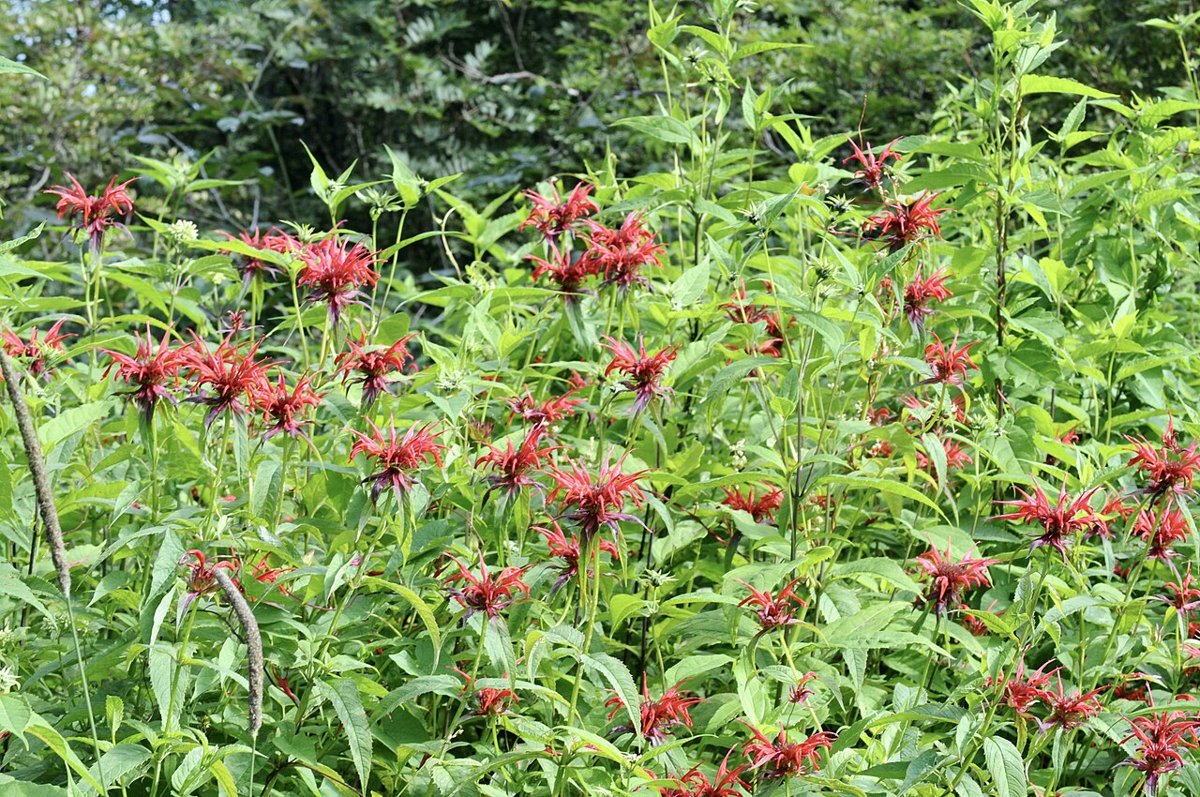
Fifteen plants of sunny fields and wet edges: bee balms, mountain mints, skullcap, passionflower, goldenrods, boneset and their lookalikes.

  1. Yarrow, bee balms and mountain mints35 min
  2. Skullcap, passionflower, self-heal and goldenrods35 min
  3. Common blue violet, wild mint, boneset, Joe-Pye weed and Virginia plantain35 min

Module 5: Trees, shrubs, berries and woody plants

5 lessons · 2 h 55 min

Twenty-five trees and shrubs. Learn the fruit and leaf foods alongside the bark, salicylate, cyanide-forming and essential-oil hazards that come with them.

  1. Witch hazel, sassafras, cherry, willow and sweet birch35 min
  2. Yellow birch, hemlock, pines and red cedar35 min
  3. Oaks, walnut, slippery elm and basswood35 min
  4. Elderberry, blackhaw, spicebush and brambles35 min
  5. Sumacs, blueberry, New Jersey tea and wintergreen35 min

Module 6: Common weeds and naturalized garden herbs

4 lessons · 2 h

Eighteen familiar yard and garden plants. Learn which have real food or traditional uses, which carry interaction warnings, and why a common weed is not automatically a safe medicine.

  1. Dandelion, plantains, mullein and burdock35 min
  2. Dock, clover, chickweed, shepherd’s purse and ground ivy30 min
  3. Catnip, motherwort, St. John’s wort and garden mints30 min
  4. Lemon balm, nettle and mallow25 min

Module 7: Conservation-sensitive plants and dangerous lookalikes

3 lessons · 1 h 40 min

Fifteen plants taught for recognition only: overharvested medicinal roots, historically used poisons, and the deadly hemlocks.

  1. Cohosh, goldenseal, ginseng and rare medicinal roots30 min
  2. Bloodroot, mayapple, blue cohosh, lobelia and pokeweed35 min
  3. Wild ginger, snakeroot, baneberry and deadly hemlocks35 min

Module 8: Field journal, references and final assessment

4 lessons · 2 h 30 min

Keep a seasonal journal, choose the right reference for each question, look up any species in the plant index, and finish with the final assessment and capstone journal.

  1. A seasonal field journal and practical decision cases35 min
  2. Using references and keeping herbal evidence current30 min
  3. Plant reference index and photo credits10 min
  4. Final assessment: identification, preparation and safety1 h 15 min
Beginner

Safe Water at Home

Store, treat and protect drinking water, and keep a household clean when the taps or sewer stop working.

10 lessons
Beginner

Safe Food at Home

Cook, store and stock food your household will eat, with or without power.

18 lessons
Get helpStart 7-day trial