Start Here: Your Household Readiness Plan
Set goals, map your hazards, pack a kit, line up your neighbors and test the plan with a household drill.
Homesteading & Survival · Homesteading & Survival Courses
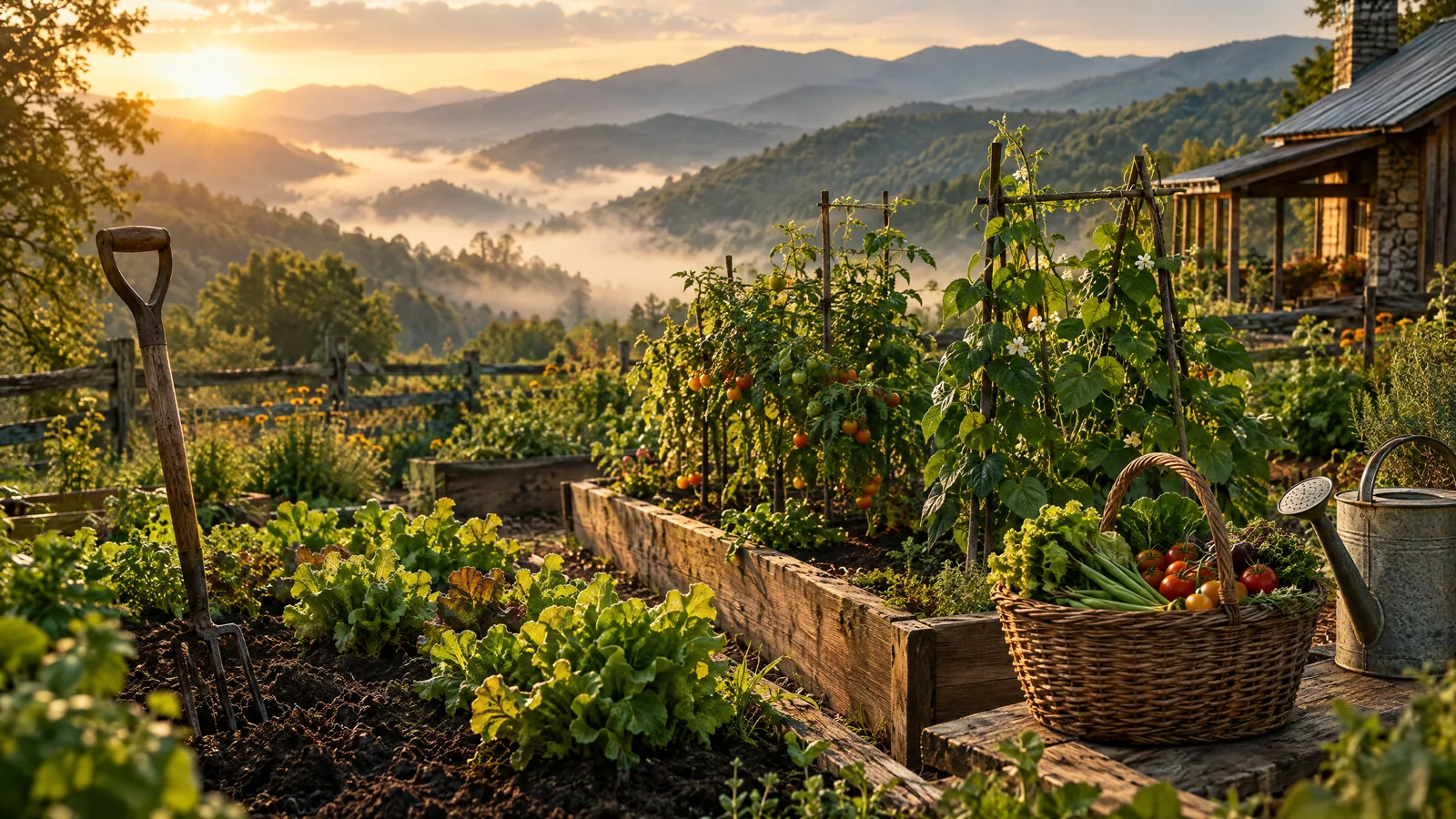
Plan, plant and harvest a small garden, then decide whether a small farm and animals fit your life.
Monthly: $0 today with a card, then $34 on day 8 unless you cancel before then. After the trial, 30 days' notice applies. Active on-campus students have academy access included. Check your existing student account before buying another subscription.
For beginners with a yard, patio or community plot. You will map sun and water, send a real soil sample, start compost, set up a container or bed, sow seeds on time, water by measurement, mulch, scout for pests and keep a harvest log, ending with a planted pilot bed. The second part lays out a small homestead, sizes staple crops and perennials, checks whether poultry or small livestock fit your time, money and space, and budgets a season. An elective part adapts planting to your climate, starting with the Southeast. Examples use NC State Extension and the central North Carolina calendar, and the course shows you how to find your own state's guide. About 27 hours across one season.
Map sun and access, test soil, start compost, set up a container or bed, and sow your first seeds.
Water by measurement, mulch and weed, scout for pests with IPM, harvest and plant your pilot bed.
Lay out a homestead, plan staple crops and labor, add perennials, decide whether poultry or small livestock fit your resources and budget a season.
Read hardiness zones and frost dates, then plan for your region, starting with the Southeast where the school is. Take the lessons that match where you grow.
Compare tropical, highland and other world climates using local agronomy advice, then build a crop and planting calendar for your own site.
Set goals, map your hazards, pack a kit, line up your neighbors and test the plan with a household drill.
Store, treat and protect drinking water, and keep a household clean when the taps or sewer stop working.
Cook, store and stock food your household will eat, with or without power.